
I see this in every person I meet but really recognize it in people like me who are middle-aged or older, have raised their families and are, perhaps, uncertain about what the future holds for them. When I turned 50 I was about 20 lbs overweight, had various aches and pains, migraine headaches and absolutely no energy. I chalked it up to “getting old”. I believed from what others said and what society accepted that getting old “allowed” us to feel tired and drained; to carry extra weight; to have no sense of excitement; to simply get older and, eventually, die. What?? No way!! It was at that point that I realized, “50 isn’t OLD” and took steps to change my health but, maybe more importantly, my outlook.

Almost everyone I talk to and see around me are stressed, overweight, exhausted and NOT smiling. If anything their faces have a pinched look, they’re yelling at their kids or spouse, they are gulping down an energy drink or another “double-double” coffee just to make it through the afternoon. Their health is suffering, their relationships are suffering and they’re on their way to getting old before their time.
Our bodies are designed to live for well over a hundred years. Let’s consider what happens after we’re born. Babies are not always breast-fed anymore and are introduced to refined and processed foods at a very young age leading to various ailments including allergies, ADHD, ear infections (which leads to antibiotic overuse) and more. They are not encouraged to be active. The first “babysitter” is often the television to keep them occupied. They spend a lot of time indoors rather than outside breathing in fresh air and absorbing beneficial sunshine. This trend continues throughout their childhood and into their school-aged years. They see their parents stressed and working long hours to try and stay ahead and they become like them. As adults, we feel the pressure to succeed at any cost and give up things we may have enjoyed in the past. We no longer have time to pursue things that make us feel good. We no longer have time to cook a good meal so we use the drive-thru. Family time becomes an hour or so squeezed into every day. We fall onto the sofa in the evening, exhausted, and fall asleep watching the next “reality” show. Unfortunately, this has become society's new reality and, I believe, it’s what is a huge contributor to our current health crisis.
Stress is the beginning of our downward health spiral. When we are stressed physically or psychologically the body suddenly shifts its energy resources to fighting off the perceived threat. In what is known as "fight or flight response", the sympathetic nervous system signals the adrenal glands to release adrenaline and cortisol. These hormones make the heart beat faster, raise blood pressure, change the digestive process and boost glucose levels in the bloodstream. Once the crisis passes the systems usually return to normal. But what happens when we are constantly stressed? Our systems never have the chance to return to normal.
When cortisol and epinerphine are released, the liver produces more glucose, a blood sugar that would give you the necessary energy to fight or flight in an emergency. So, not surprisingly, constant stress leads to too much blood sugar which can lead to weight gain and Type II diabetes not to mention an overworked liver, heart and every other system in our body. Our immune system becomes suppressed because our body is using all of its energy to handle the stress.
So, in a holistic approach to improving health, we must not only support the body’s systems nutritionally but we must learn how to relieve stress and have a good mental outlook. We need to find balance in every aspect of our life. We need to nurture ourselves and find what makes US happy and content. In my opinion, there is nothing worse than finding yourself middle-aged, unhappy, unfulfilled AND unhealthy. If that’s where you find yourself ask this simple question – “What is something I’ve always wanted to do but have never done?” then go and DO it! You may recognize this as a “bucket list” but whatever we call it, it is really the first step to improving every aspect of your life, including your health.
50 is NOT old! It is the beginning of some of the best years of our lives. We finally have the time to do the things we didn’t have time for before. We are interesting, we are knowledgeable and we have a lot to share with the younger generation. It is OUR time to be true to WHO we are, not who others think we SHOULD be. We need to find what we are passionate about and DO it!
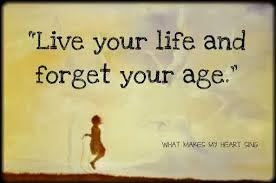
If you are only in your 20’s or 30’s and think this doesn’t apply to you, think again! Most adults your age who I meet look and feel middle-aged already! If you can implement changes now, while you’re still young, you’ll be able to greet aging with enthusiasm and good health. We are only given ONE life to live and as we reach middle age we realize the clock is ticking. But it’s never too late to embrace life, experience it and enjoy every minute with calm, peace, joy and abundance rather than wasting it being stressed about things that don’t mean much in the big picture.
Note: No matter what your age or your current health condition I invite you to consider looking at FGX PowerStrips™ as an all-natural way to regain your health, relieve your pain AND your stress. Ask me for more details: seawellness@hotmail.com www.seawellness.fgxpress.com

